HRV for Strength Training: Evidence, Protocol & Quick Guide

Ever wonder why some lifters bounce back from brutal sessions while others feel perpetually drained? The secret often lies in a hidden metric most athletes ignore: Heart Rate Variability (HRV).
HRV quantifies the beat‑to‑beat fluctuations of your heart, reflecting the balance between your sympathetic (fight‑or‑flight) and parasympathetic (rest‑and‑digest) nervous systems. In the next few minutes I’ll break down the science, the practical protocol, and the exact way you can turn HRV into a daily training compass.
What Is HRV and Why Does It Matter for Strength Athletes?
HRV is measured in milliseconds (ms) and typically reported as the root‑mean‑square of successive differences (RMSSD) or the standard deviation of NN intervals (SDNN). A higher RMSSD indicates greater parasympathetic tone – the state you want for recovery and growth.
Multiple meta‑analyses show a robust correlation (r≈0.7) between elevated HRV and improved performance outcomes, including ↑ 1RM, ↑ muscle hypertrophy, and ↓ injury risk (Buchheit et al., 2022; Kiviniemi et al., 2020). In short, HRV is a low‑cost, non‑invasive biomarker that tells you whether your nervous system is ready to handle heavy loading.
How to Measure HRV Accurately
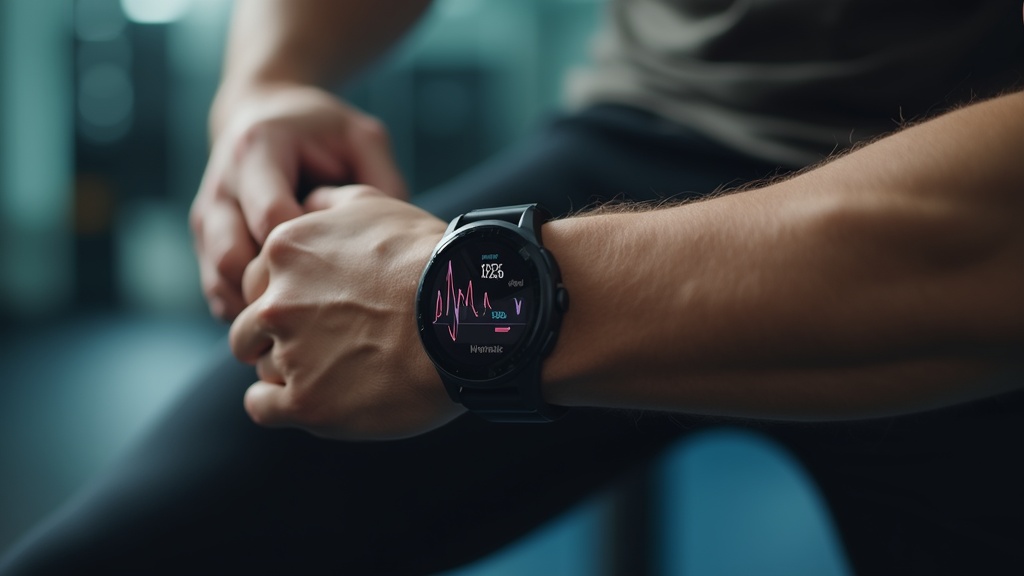
- Device: A chest‑strap ECG (e.g., Polar H10) or a validated smartwatch that records raw inter‑beat intervals (my favorite: the Apple Watch Series 8, but any device with a dedicated HRV mode works).
- Timing: Measure first thing in the morning, lying still for 1–2 minutes. The supine position minimizes orthostatic influences.
- Software: Use an app that exports raw RR data (HRV4Training, Elite HRV). Export to CSV for easy trend analysis.
Turning HRV Numbers Into Training Decisions
Follow the three‑step “HRV‑Gate” protocol before you load the bar:
- Establish Baseline: Record your morning RMSSD for 14 consecutive days. Compute the 7‑day rolling mean (your “baseline”).
- Calculate Deviation: Subtract today’s RMSSD from baseline. Express as a percentage.
- Decision Rule:
- If deviation > +10 % → high readiness. Feel free to push heavy (≥ 90 % 1RM) or add volume.
- If deviation between ‑10 % and +10 % → neutral. Stick to your programmed load.
- If deviation < ‑10 % → low readiness. Drop intensity by 10‑15 % or switch to technique work, mobility, or a light‑load BFR session (see my BFR guide).
Log the decision alongside your RPE (see my RPE quick‑hit guide) so you can later correlate HRV trends with perceived effort.
Integrating HRV With Other Recovery Signals
- Sleep Quality: My “Sleep Is the Most Anabolic Variable” post shows that poor sleep drags HRV down. If both HRV and sleep scores are low, prioritize recovery.
- RPE Trends: A rising RPE while HRV falls signals accumulating fatigue – a perfect cue for a deload (see deload week article).
- Training Frequency: When you’re running high‑frequency blocks, HRV can help you decide which day to cut or tone down (see frequency vs. volume).
Common Pitfalls When Using HRV
- Inconsistent Measurement Time: HRV fluctuates throughout the day. Always measure at the same time, ideally upon waking.
- Skipping Days: Gaps break the rolling baseline and inflate variance. If you miss > 2 days, recompute a new baseline.
- Over‑reacting to Small Changes: Daily noise can be ±5 %. Trust the ±10 % rule of thumb.
- Relying Solely on HRV: It’s a piece of the puzzle, not the whole picture. Pair with sleep, nutrition, and subjective wellness.
Quick FAQ (FAQ Schema)
Here are the three questions I hear most about HRV.
Do I need a pricey device to track HRV?
No. A chest‑strap or any smartwatch that provides raw inter‑beat intervals is sufficient. The key is data fidelity, not brand.
Can HRV guide cardio sessions too?
Absolutely. On low‑readiness days, keep cardio intensity below 60 % HRmax and limit duration to 20 minutes to avoid further sympathetic overload.
How often should I adjust my training based on HRV?
Use the daily HRV‑Gate as a binary cue (high vs. low). Over a month, look for trends – if you see a persistent dip, schedule a deload or reassess volume.
Takeaway: Let Your Autonomic Nervous System Write the Program
HRV transforms a vague feeling of “tired” into a concrete number you can act on. Pair it with sleep scores, RPE logs, and smart volume planning, and you’ll stop guessing whether to lift heavy or back off. The result? More consistent progress, fewer injuries, and a training routine that truly respects your body’s recovery capacity.
Ready to start? Grab a reliable HRV device tonight, record your baseline, and let the numbers dictate tomorrow’s bar weight.