Linear vs Undulating Periodization: Which Wins for Strength Gains?

Which training program will actually make the bar move farther?
Ever wonder if the classic staircase of linear periodization really outperforms the wave‑like undulating approach? The debate has been raging in strength forums for years, but the data has finally caught up. Below I break down the science, the mechanics, and the real‑world pros and cons so you can decide which model deserves a spot in your next macrocycle.
What is Linear Periodization?
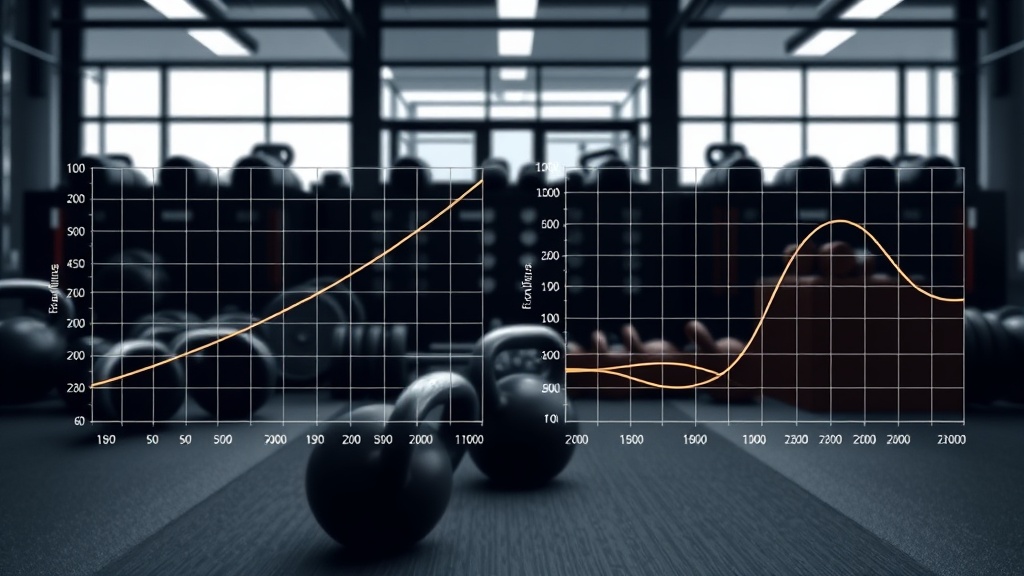
Linear periodization (LP) follows a simple, progressive ladder: you start with higher volume and lower intensity, then gradually shift the load upward while cutting reps. Think of it as a staircase — each “step” represents a training block that gets heavier and shorter. The model promises a clear, predictable overload trajectory and is a staple in many college‑strength programs.
What is Undulating (or Variable) Periodization?
Undulating periodization (UP), sometimes called wave or daily‑undulating training, shuffles intensity and volume more frequently — often weekly or even every session. Instead of a smooth climb, you see a wave pattern: heavy, light, moderate days interleaved to keep the nervous system guessing. Proponents argue that this variability reduces fatigue accumulation and maximizes neural adaptation.
What does the peer‑reviewed evidence say about strength gains?
Several recent meta‑analyses have pooled data from dozens of randomized trials. The most comprehensive, a 2022 systematic review (PubMed ID 35044672), compared LP vs. UP in volume‑equated programs and found no statistically significant difference in 1‑RM improvements for upper‑body or lower‑body lifts. A separate meta‑analysis (PubMed ID 28497285) reported a modest edge for undulating models (effect size β = 0.51) but noted high heterogeneity across studies.
In short, the numbers suggest that both models can move the bar, and the difference is often smaller than the day‑to‑day variability you see in real life.
What are the practical pros and cons of each approach?
- Linear Periodization
- Pros: Simple to program, easy to track progress, ideal for novices who need a clear roadmap.
- Cons: Can become monotonous, may lead to plateaus if the body adapts to the predictable load progression.
- Undulating Periodization
- Pros: Stimulates the nervous system more frequently, reduces the risk of chronic fatigue, adaptable to daily readiness metrics (RPE, HRV, velocity).
- Cons: Requires more bookkeeping, may be confusing for lifters who thrive on steady progression.
Which model fits which athlete?
Beginners & “1% Trainees” focused on technique: Linear periodization gives a clean scaffold to master form before loading heavy.
Intermediate lifters with reliable autoregulation tools (RPE, velocity, HRV): Undulating periodization lets you dial the load up or down based on daily readiness — see my Autoregulation Showdown for a deeper dive.
Advanced athletes chasing specific peaking windows: A hybrid approach — linear macro‑cycles with undulating micro‑cycles — often yields the best of both worlds.
Takeaway: Choose the tool, not the myth
The science tells us that neither linear nor undulating periodization is a universal silver bullet. Your decision should hinge on three factors: coaching simplicity, your ability to monitor daily readiness, and the training phase you’re in. If you crave a no‑brainer roadmap, stick with linear for the first 8‑12 weeks. Once you’ve built a solid technical base, sprinkle in undulating blocks to keep the nervous system primed.
Related Reading
- Training Frequency Is Overrated: Why Per‑Session Volume Matters More Than How Often You Show Up — a look at how volume, not frequency, drives hypertrophy.
- Dynamic Warm‑Ups vs Static Stretching: Why 10 Minutes Decide How You Train, Not Just How You Feel — set the stage for any periodization plan.
- Wearable Metrics Aren't Training Data. Here's What Actually Matters. — learn which objective signals can feed an undulating program.